Make Home and Travel Remember for You
The boring tasks that drain mental energy are the ones worth automating first
When did you last change the furnace filter? Open your email, search for the last HVAC confirmation, and tell the assistant to save the date. What paint color did you use in the bedroom? Pull up the receipt from the hardware store and add it to your records. When is the car due for an oil change? What did you pack last time you went to Portland?
None of these questions is exciting. All of them consume mental space when they come up. The home and travel modules store these answers so you never search through emails or drawers for them again.
This chapter covers two modules together because they share a design pattern: capturing facts that recur on cycles (maintenance schedules, packing lists, travel preferences) and surfacing them at the right time.
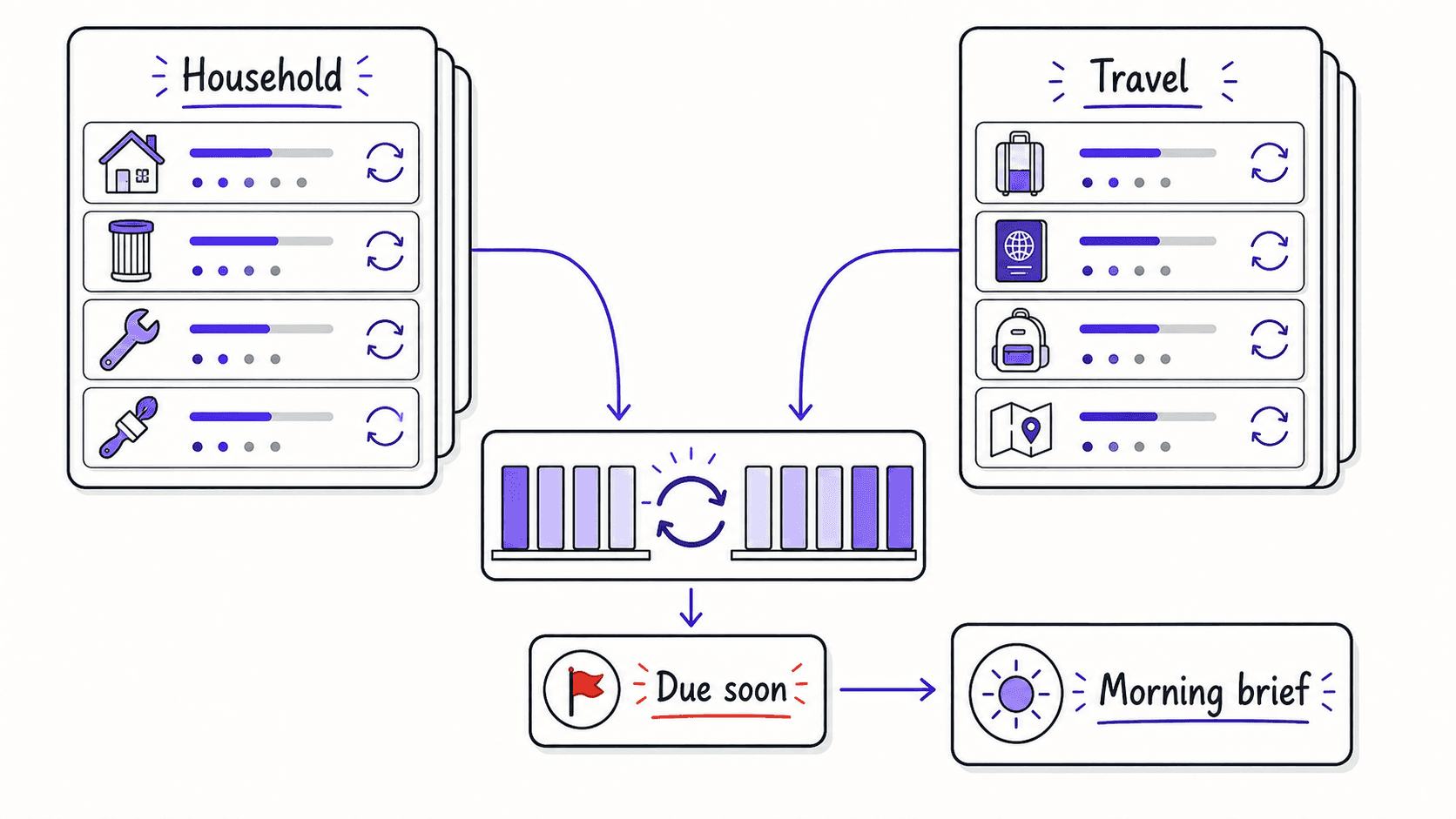
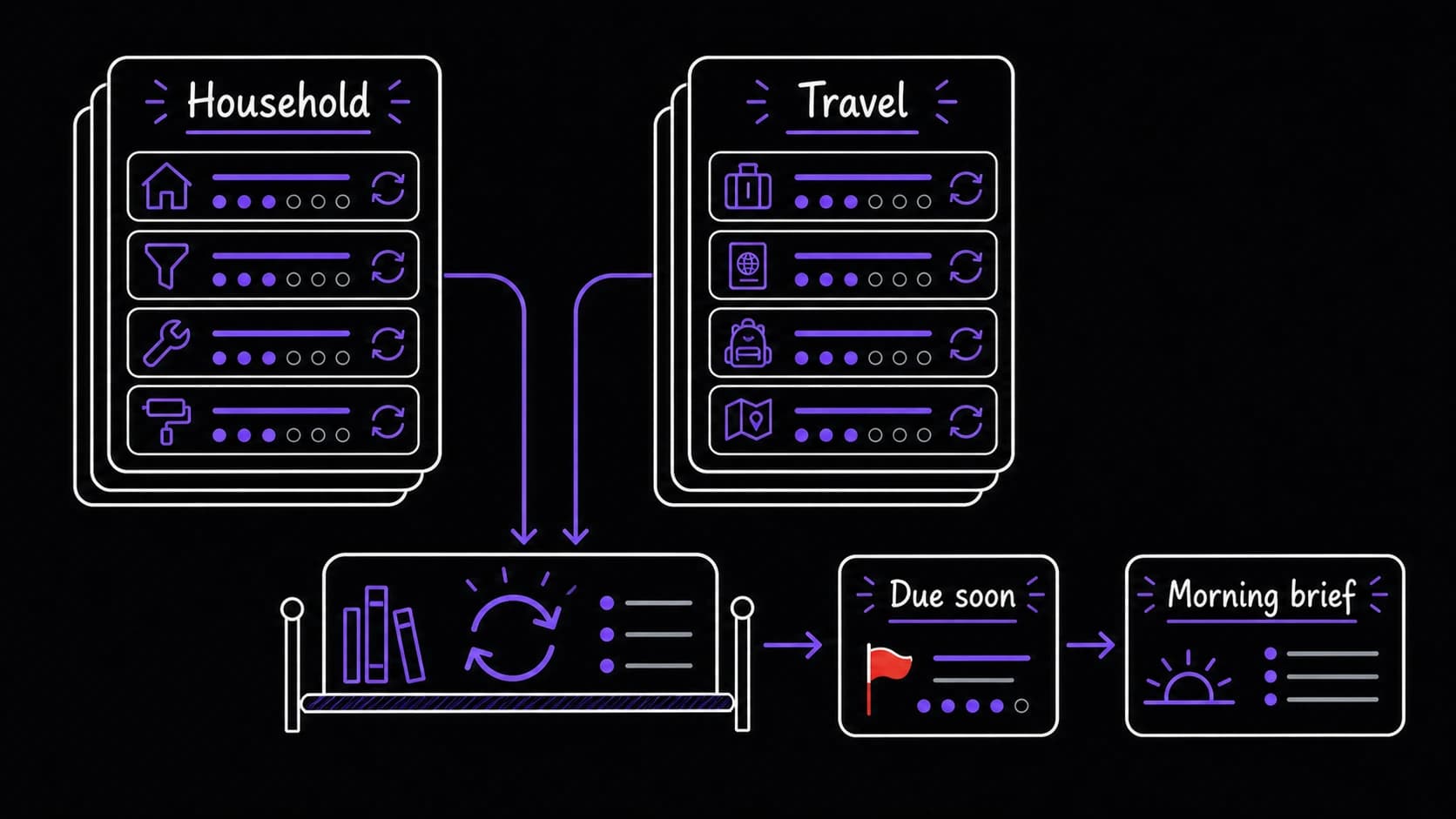
The household memory stores the answers you keep looking up
The household memory holds the answers you keep looking up. When you have a receipt or a contractor's email in front of you, tell the assistant to save the relevant details. You provide each fact once, and the assistant retrieves it every time you ask. Over time the memory covers appliance serial numbers, paint colors, warranty dates, service contacts, and maintenance schedules.
Recurring schedules surface in the morning brief at the right time
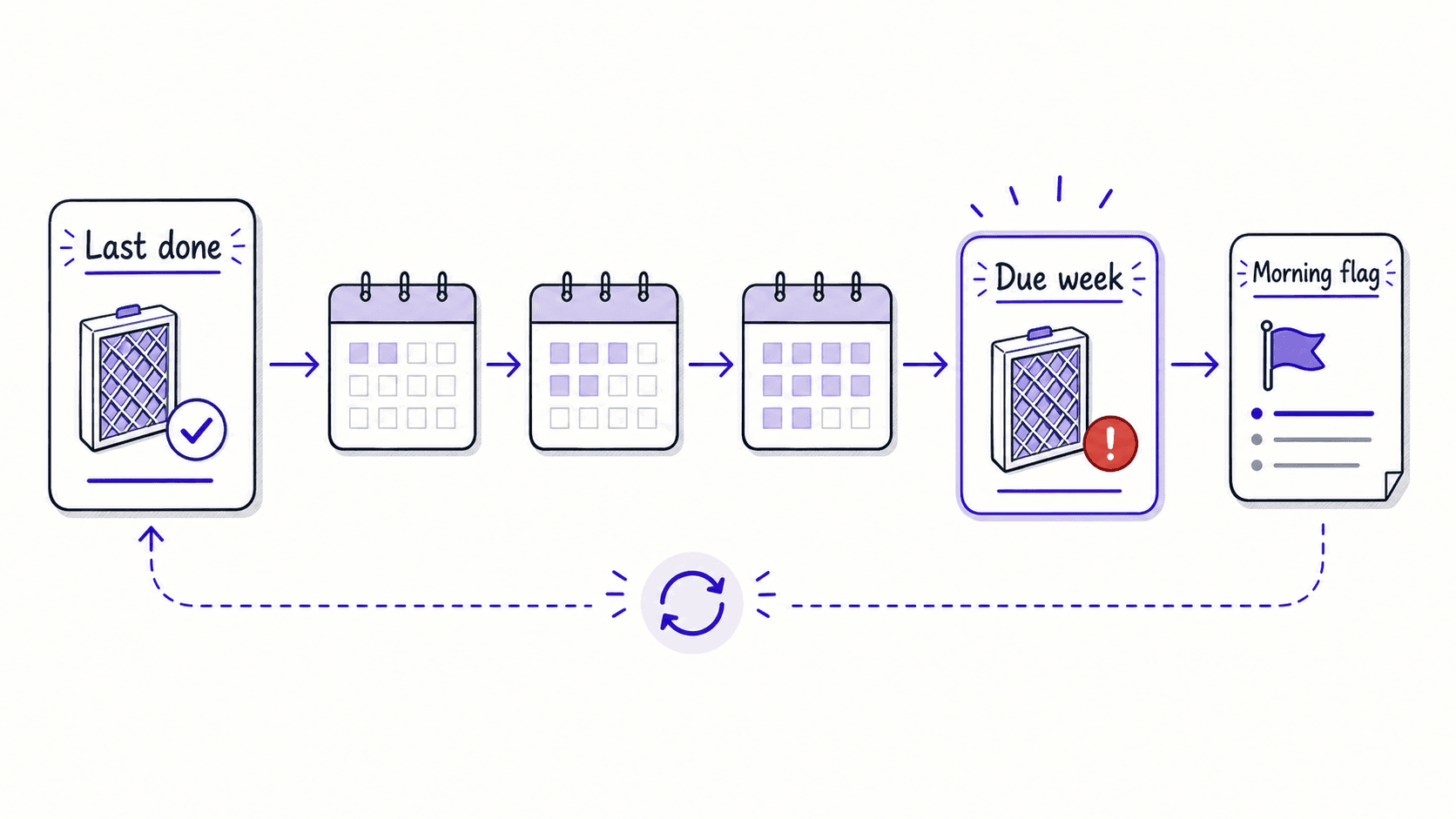
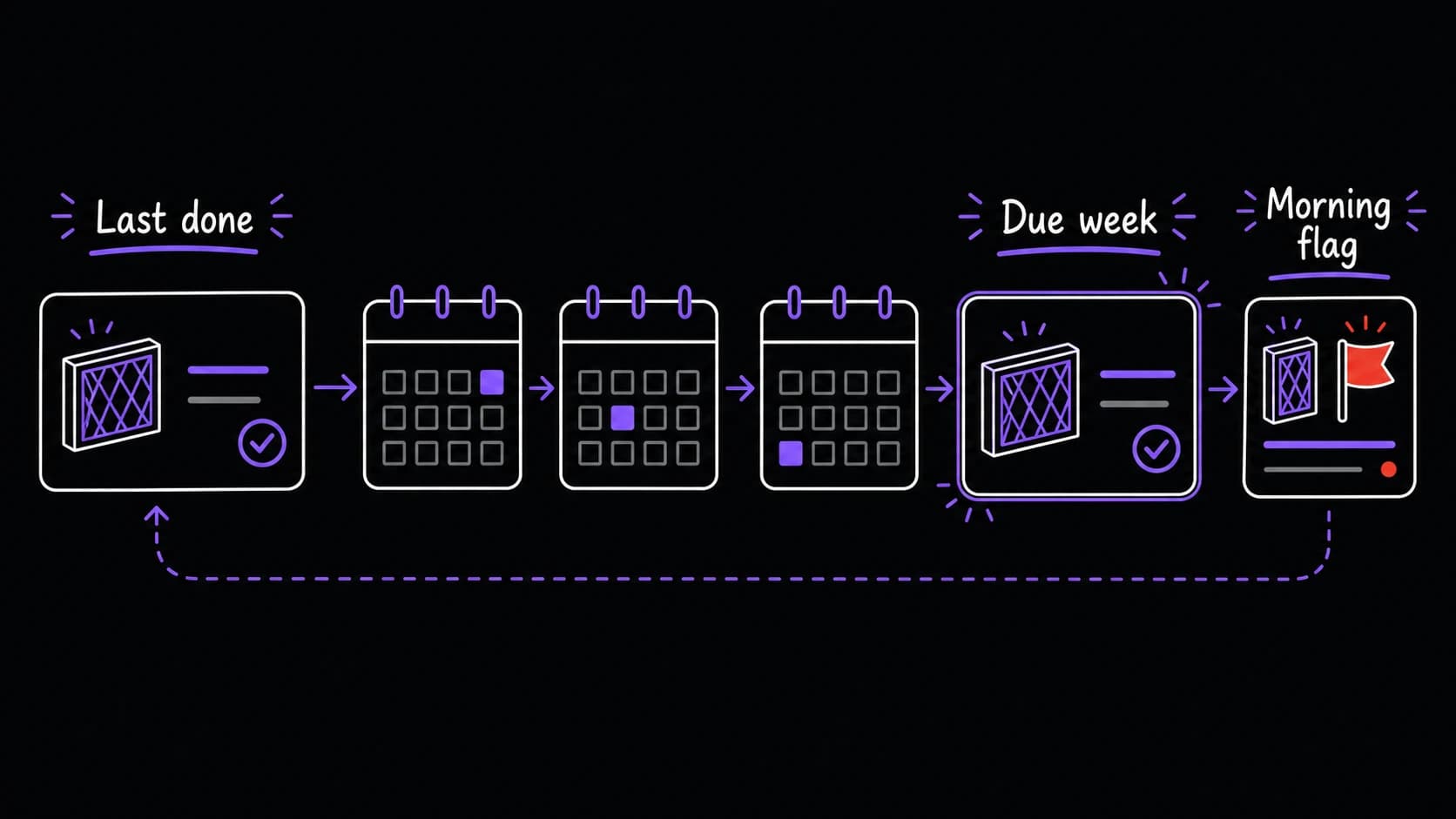
The maintenance schedule connects to the calendar. When the furnace filter is due, it appears in the morning brief's flags section: 'Furnace filter is due this week (last changed 88 days ago).' When the car is approaching 5,000 miles since the last oil change, the same flag appears.
You never think about when to do these things. The system thinks about it for you and tells you when the time arrives.
The assistant can handle weekly meal planning
You tell the assistant what you need: dietary preferences, budget, number of meals per week, cooking , time available per meal. The assistant generates a weekly meal plan that fits all of those requirements and produces a grocery list.
You run the prompt on Sunday, get a week of meals and a grocery list, and spend zero time during the week deciding what to cook. The assistant adapts the plan over time as you correct it: 'We never cook on Wednesdays, make that a leftovers day. We like to try one new recipe per week.'
The receipt capture habit builds the household memory automatically
When you buy an appliance, forward the receipt email to a specific folder. The email can find the details automatically. You tell the assistant: 'When a receipt lands in that folder, save the item name, price, store, warranty expiration, and serial number as a household record.' One forwarded email is now a permanent, searchable entry.
The travel brain remembers your preferences and past trips
The travel stores your travel : airline loyalty programs, hotel preferences, dietary restrictions, packing habits, passport expiration, and past trip history. Every trip plan starts from this context, not from zero.
The intelligent packing list learns from corrections
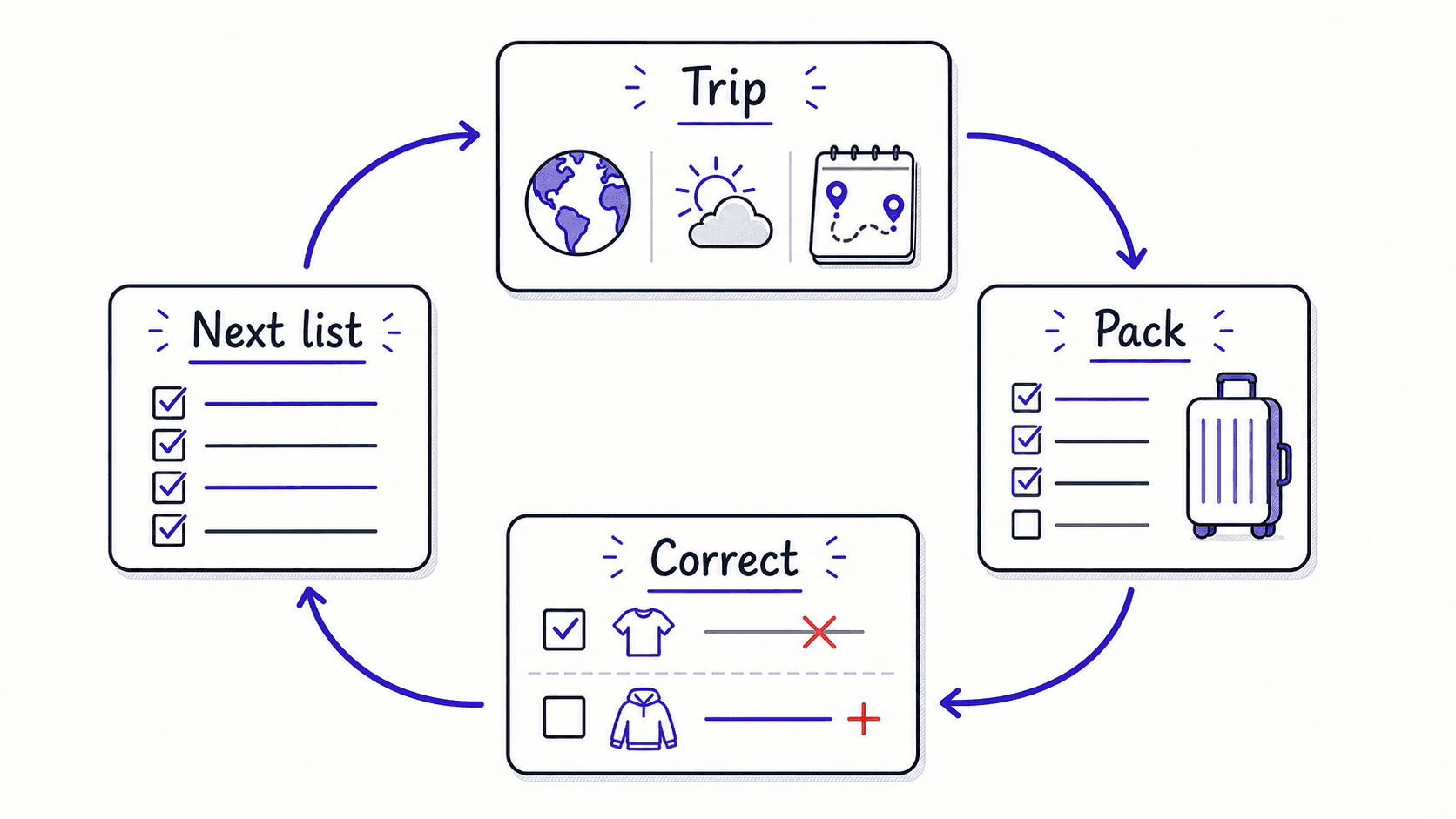
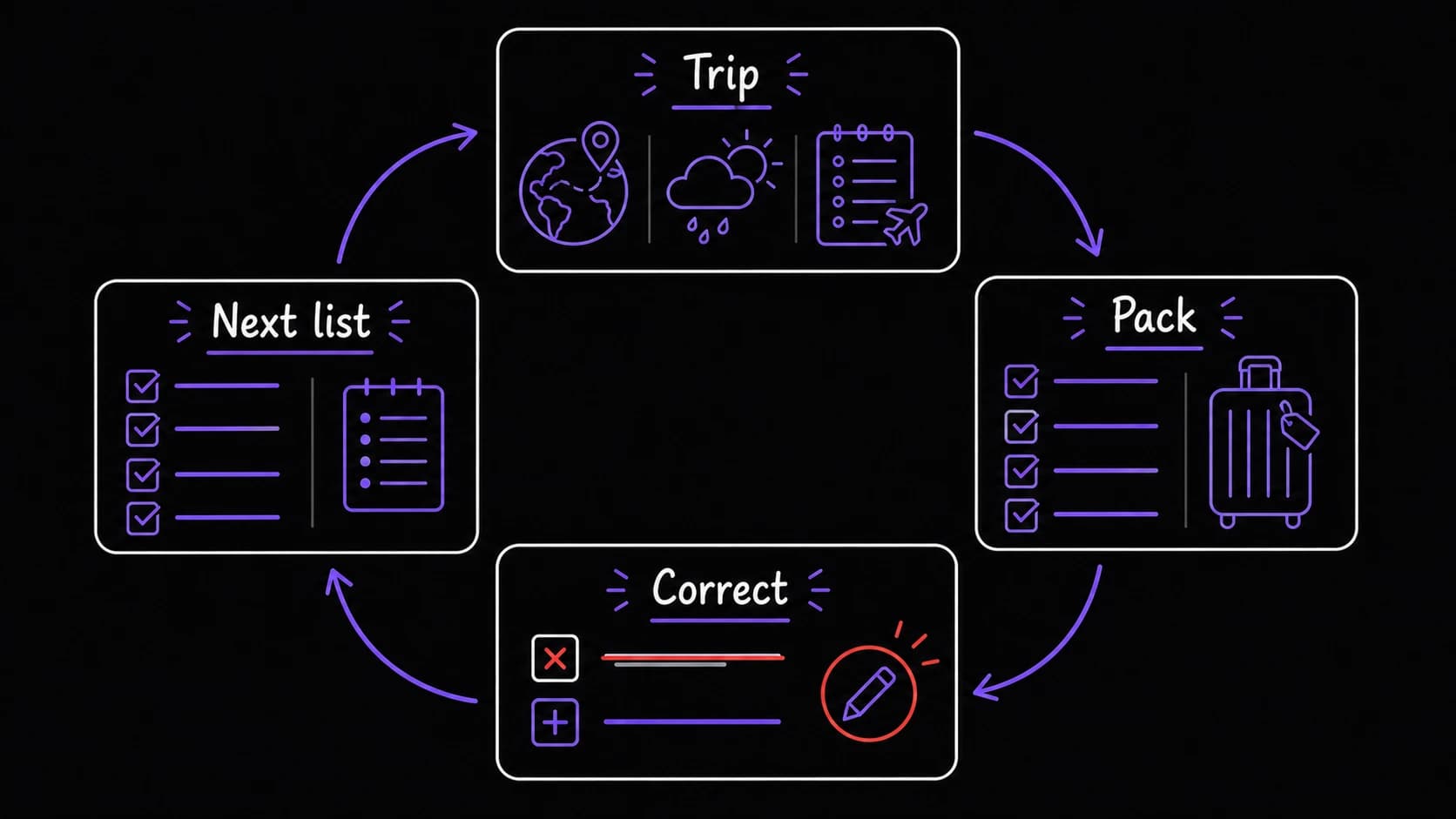
Given destination, weather forecast, duration, and itinerary (meetings versus leisure versus outdoor activities), the system generates a packing list. Over time, you correct it: 'I never wear hiking boots on city trips. I always bring a power strip when traveling for work. I need a specific adapter for European outlets.' Each correction sticks.
The trip dossier assembles everything before departure
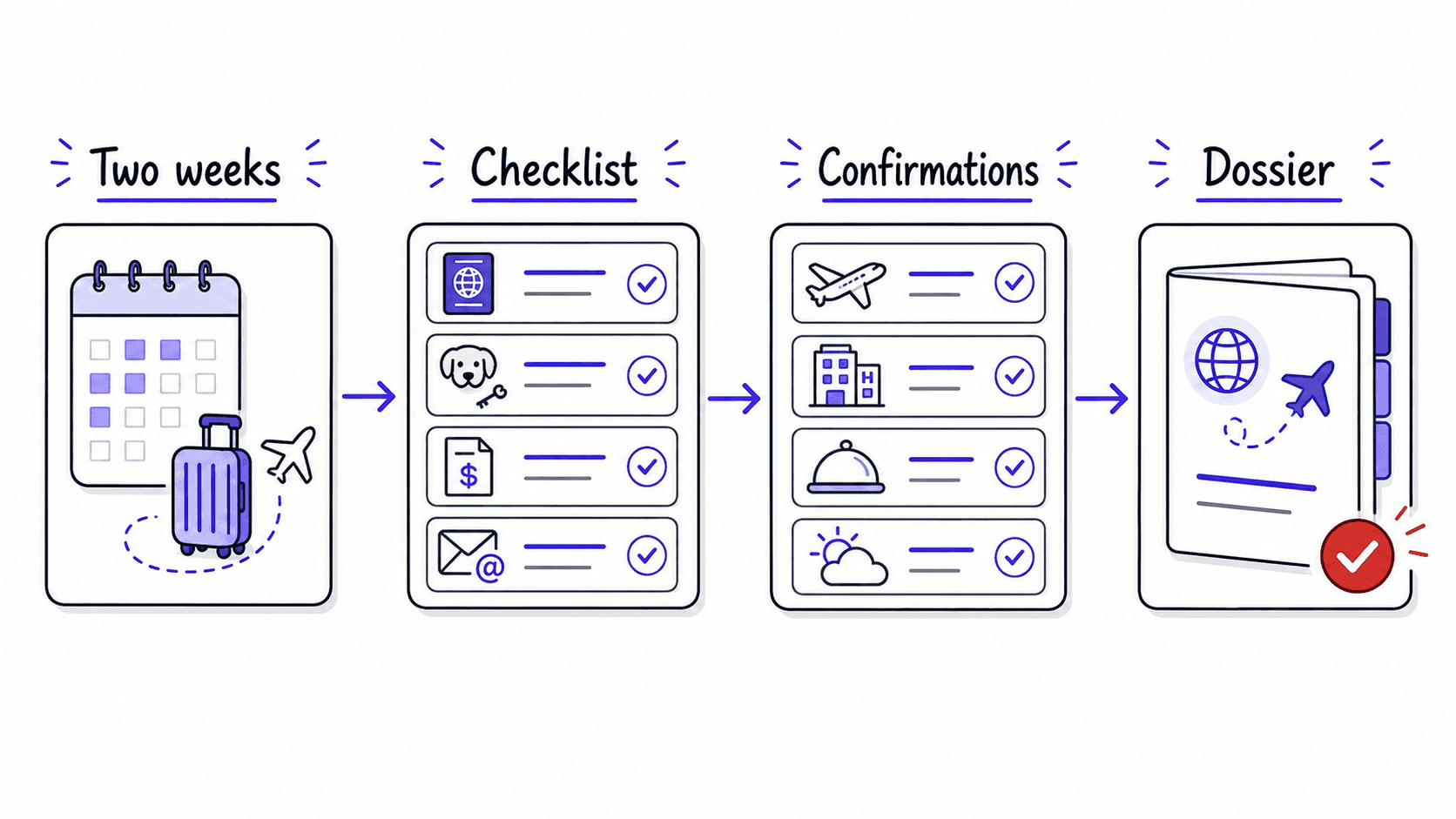
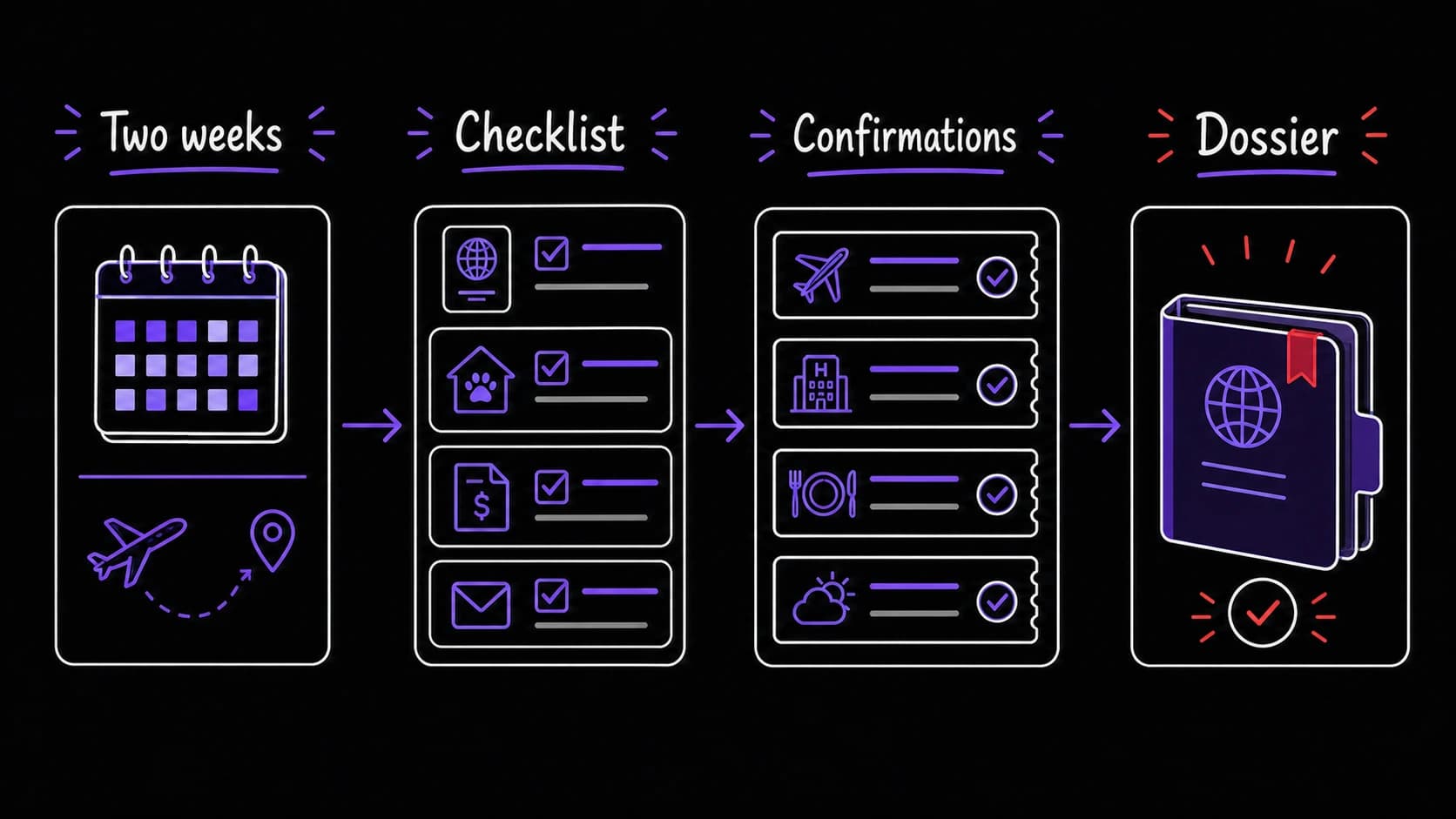
Two weeks before a trip, the assistant generates a pre-trip checklist covering passport validity, boarding pass downloads, pet sitter confirmation, out-of-office messages, bill payments, and mail holds.
Before departure, it generates a trip dossier: flights, hotel confirmation, restaurant reservations, weather forecast, key phrases in the local language, emergency contacts, and custom notes from past visits to the same city.
Trip memory stores what worked and what did not
After each trip, the assistant prompts a brief debrief: where you stayed and whether you would stay there again, restaurants worth returning to, things you would do differently, and tips for next time. The next time someone asks 'have you been to Portland?' you pull up your notes instantly.